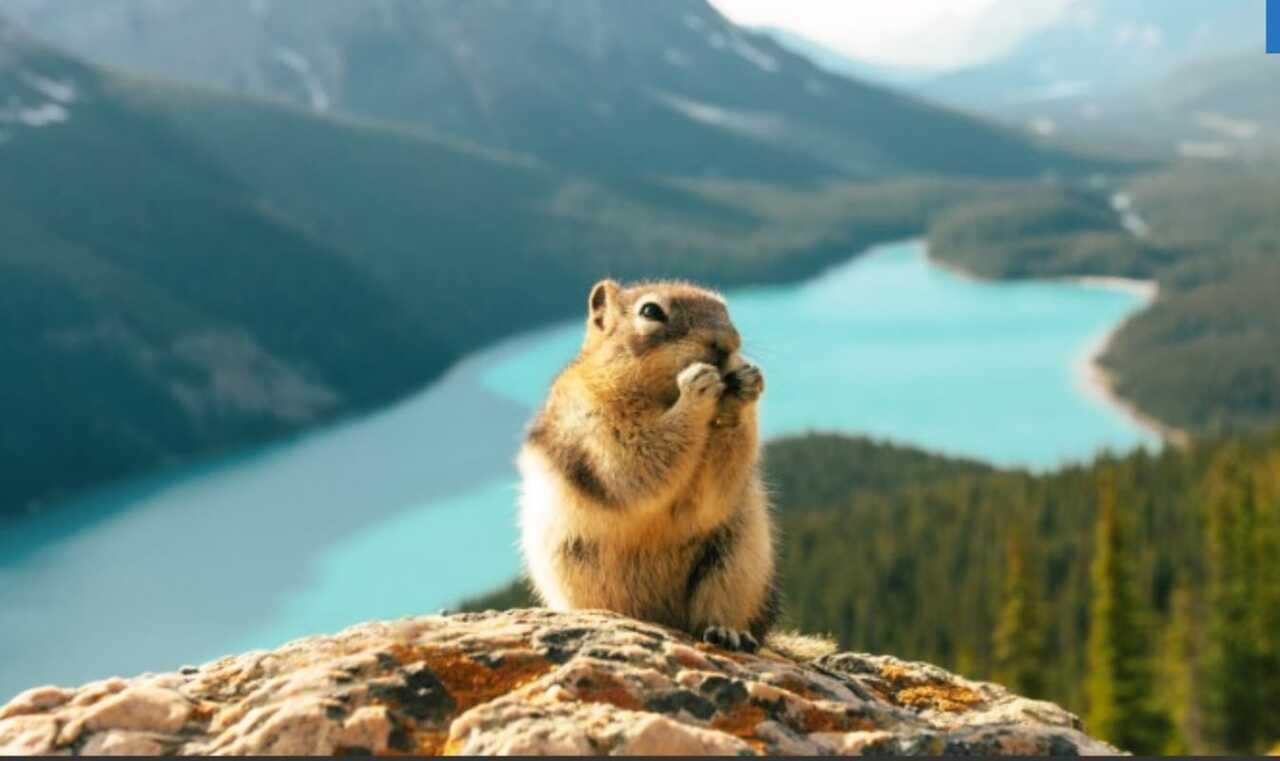
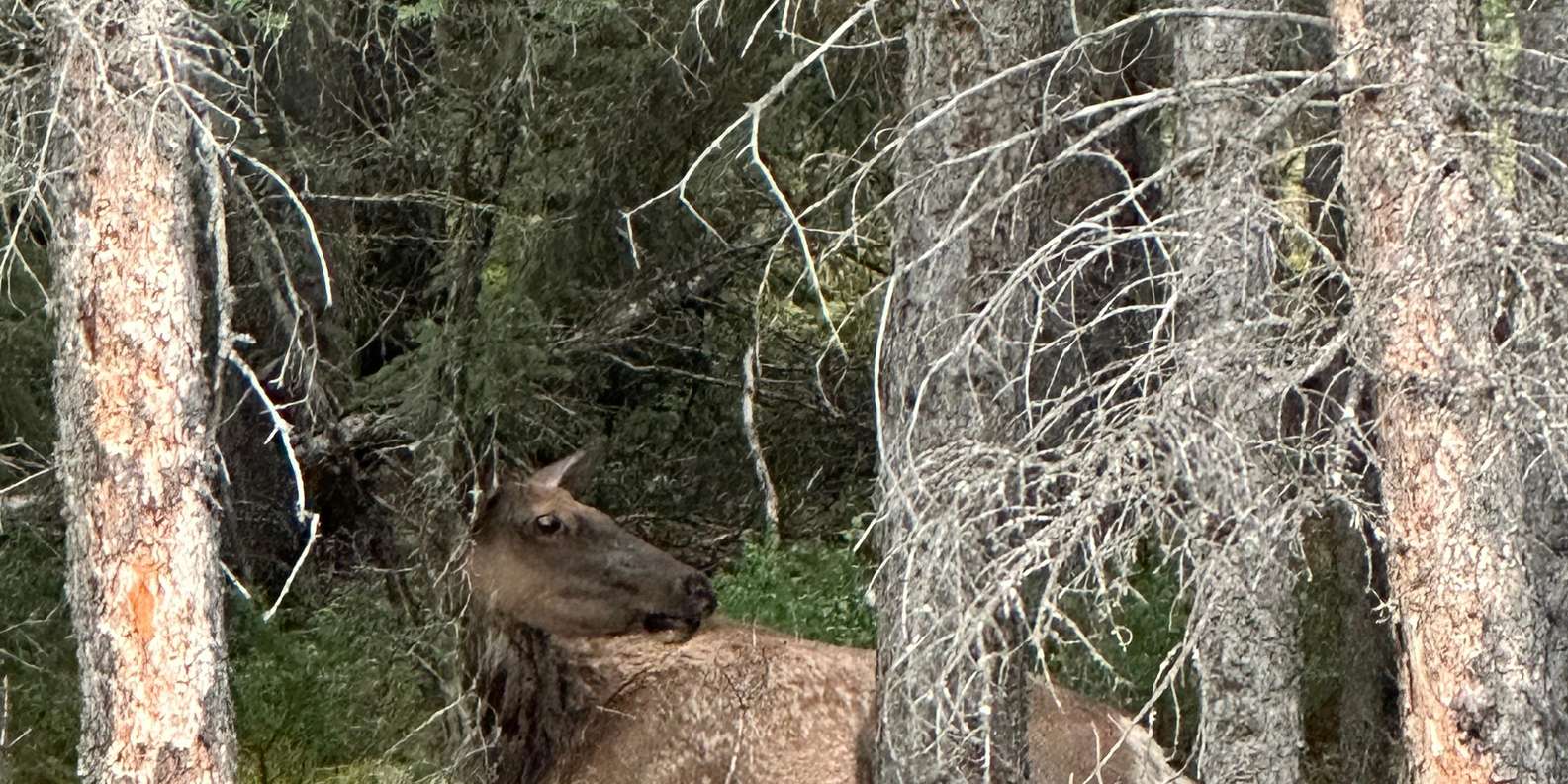
"Mike was great. He has been in the business for 10 years and was a wealth of information. We got to see mountain sheep, elk, deer, chipmunks and Colombian ground squirrels. I know for certain that my kids made some core memories when they got to get up close and personal with the ground squirrels (they look like a cross of meerkat and groundhog!) and cross through water to a little island. The views were amazing too, and some of the best were places we would never have thought to visit on our own. We had a really memorable time and highly recommend."
Banff National Park · Alberta · The Canadian Rockies
Banff Evening Wildlife Safari — See the Rockies Come Alive at Dusk
Banff's elk, deer, bighorn sheep, and bears are most active in the soft light of dusk. Head out on a top-rated guided twilight safari to spot crepuscular wildlife and watch the alpine lakes glow at golden hour.
From
$139
per person
Free cancellation
- 4.6 / 5 23+ Reviews
- Dusk Timed Peak Wildlife Hours
- Small Group Local Naturalist Guide
- Free Cancellation
The Experience
Why an Evening Safari Is the Best Way to See Banff's Wildlife
Dawn and dusk are when the Rockies come alive. Here's what a guided twilight wildlife safari in Banff National Park does for you.
Highlights
- Strategically timed multi small groups like private evening safari-style tour
- Adaptive, non-fixed itinerary with real-time route adjustments to see more wilds
- 99% high-probability wildlife encounters combined with handpicked scenic stops
- Explore a true alpine experience with visits to multiple lakes, hoodoos & falls
What's Included
- National Park entry fee included
- Air-conditioned transportation
- There may be 1–3 small groups on this experience, but rest assured it will still feel like a private tour
- English-speaking guide
- Scenic stopovers at key viewpoints
- Wildlife viewing stops (when safe)
- Seatbelts available at every seat for safety
- Complimentary water bottle provided upon request
How a Banff Evening Wildlife Safari Works
Four steps from central Banff out into the wildlife corridors at golden hour and back after dusk.
Meet in Central Banff
Your guide collects you in the late afternoon from a pickup point in Banff (some tours also serve Canmore). Settle into a comfortable, small-group vehicle as the light starts to soften.
Head Out at Golden Hour
Drive out into the valley's known wildlife corridors — meadows, lakeshores, and slopes — just as dusk brings the animals out to feed. The route adapts in real time to where wildlife is moving.
Spot Wildlife & Alpine Lakes
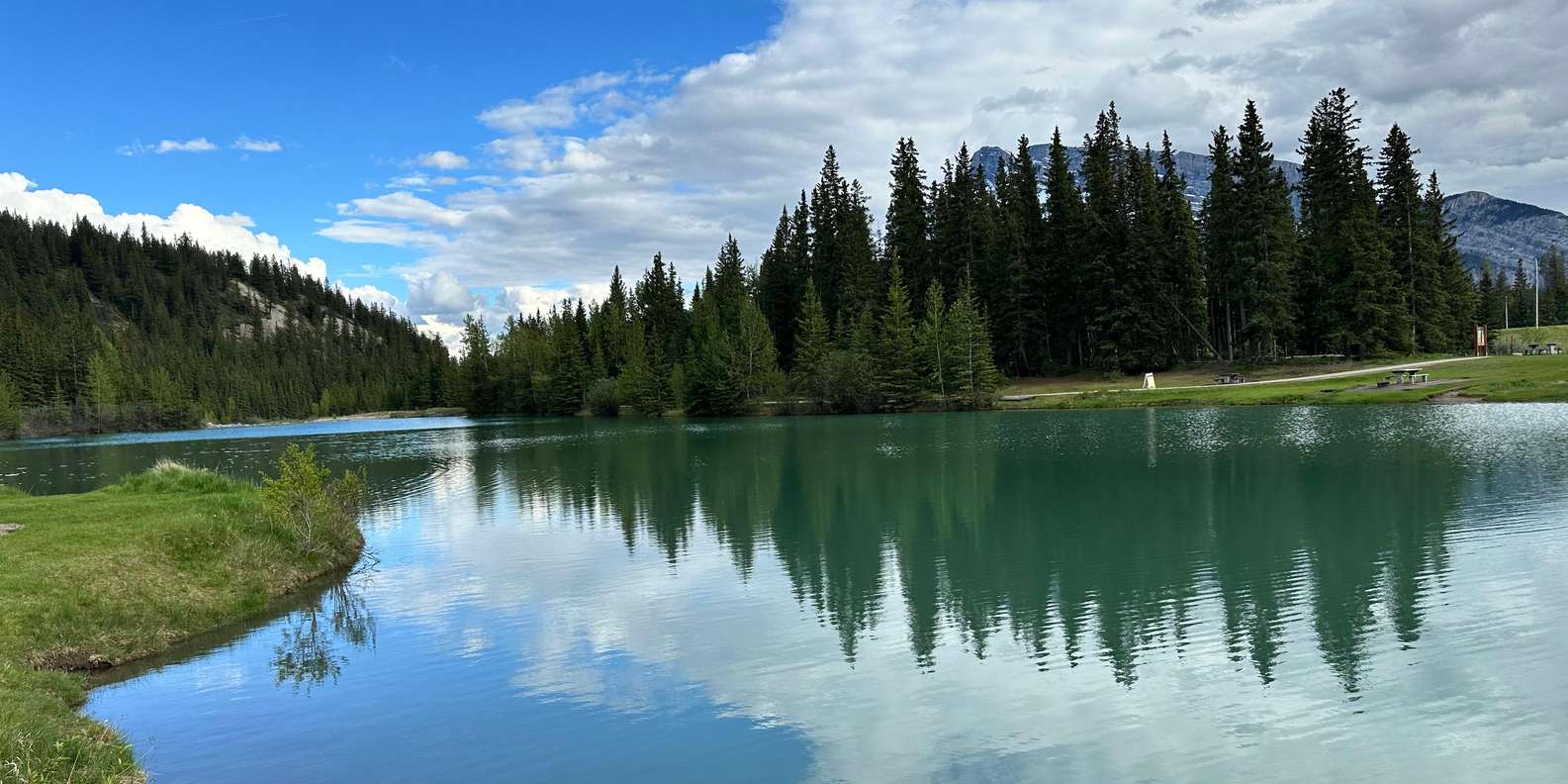
Watch for elk, mule deer, bighorn sheep, and — in season — bears, all from a safe, legal distance. Stop at viewpoints like the Vermilion Lakes as the Rockies turn gold and the water mirrors the peaks.
Return After Dusk
Head back to Banff after the light fades, with your guide sharing the natural history of the valley along the way. Sightings are never guaranteed — but dusk gives you the best odds.
Photo Gallery
Banff Evening Wildlife Safari — Through the Lens
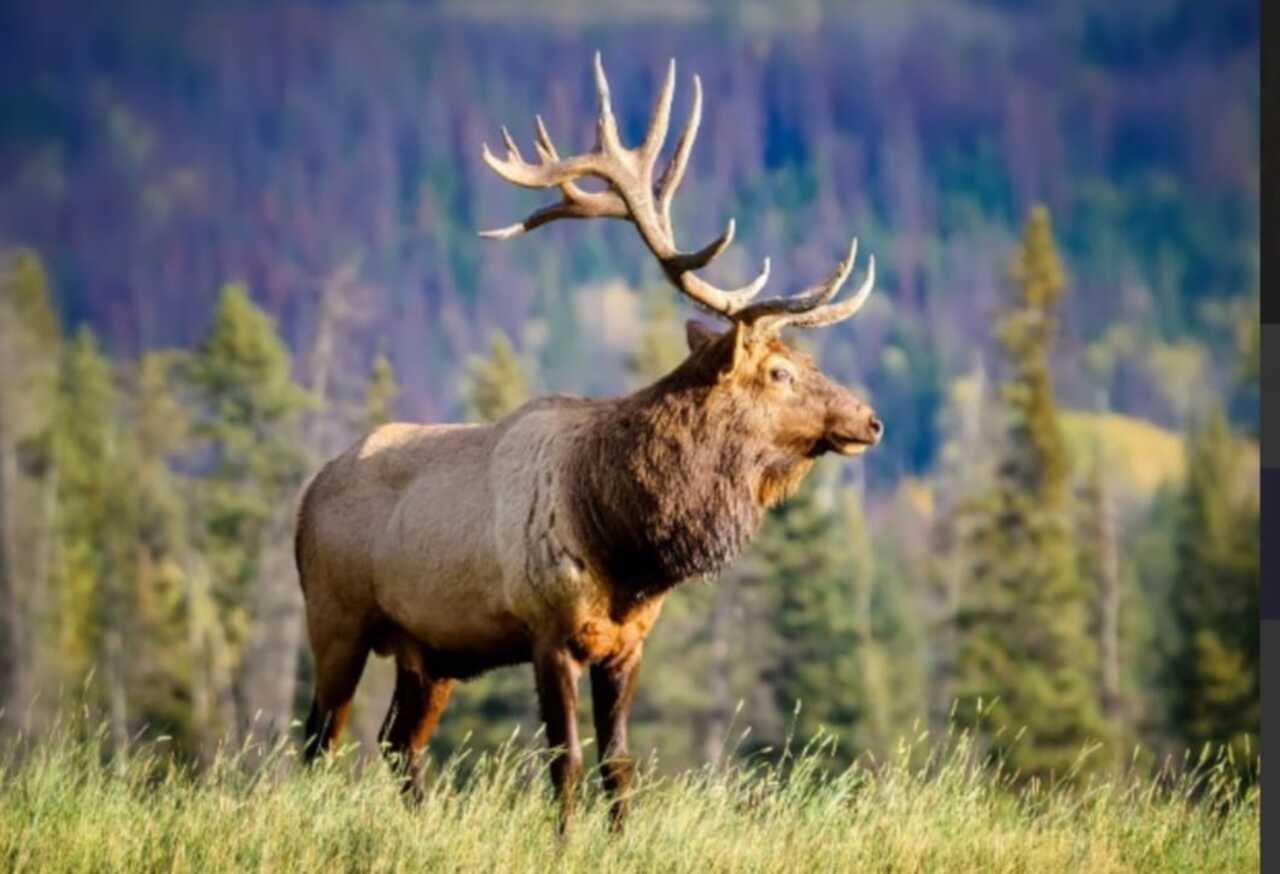
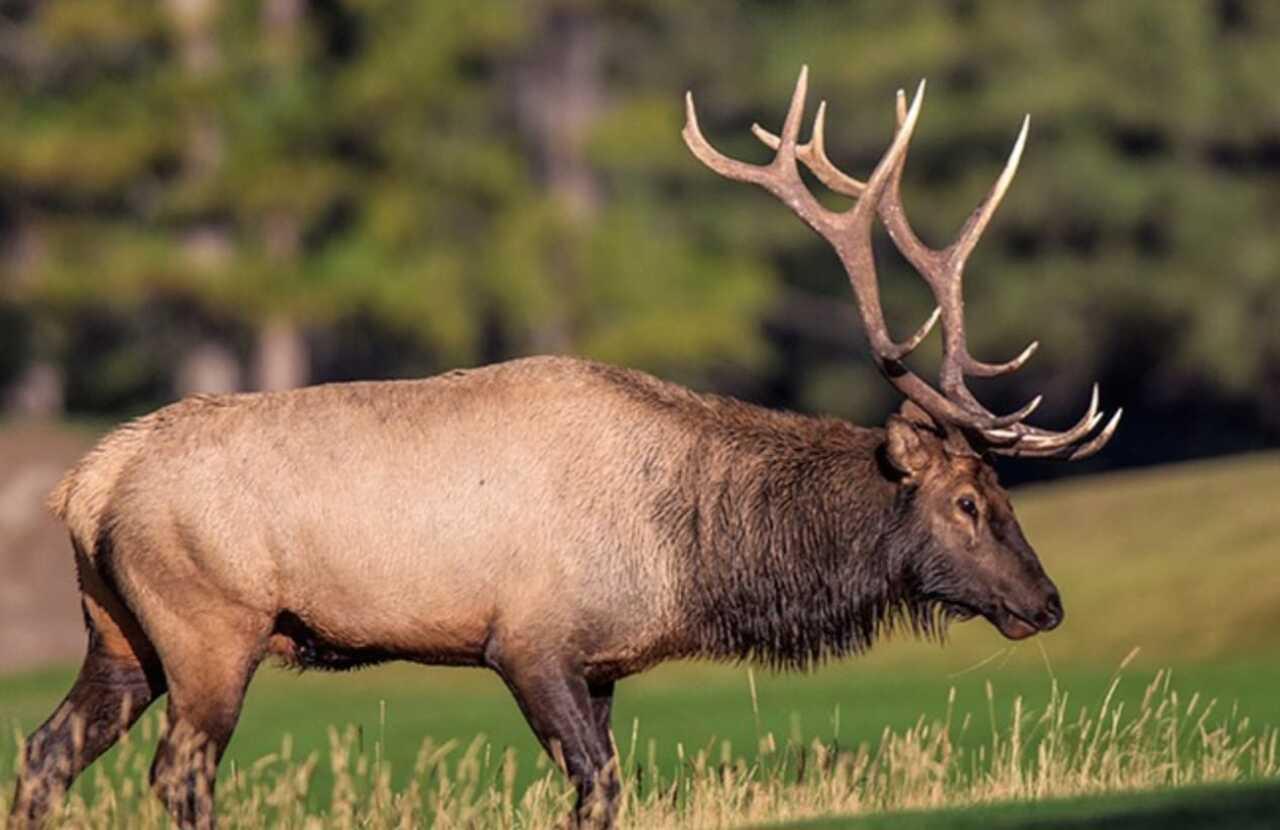
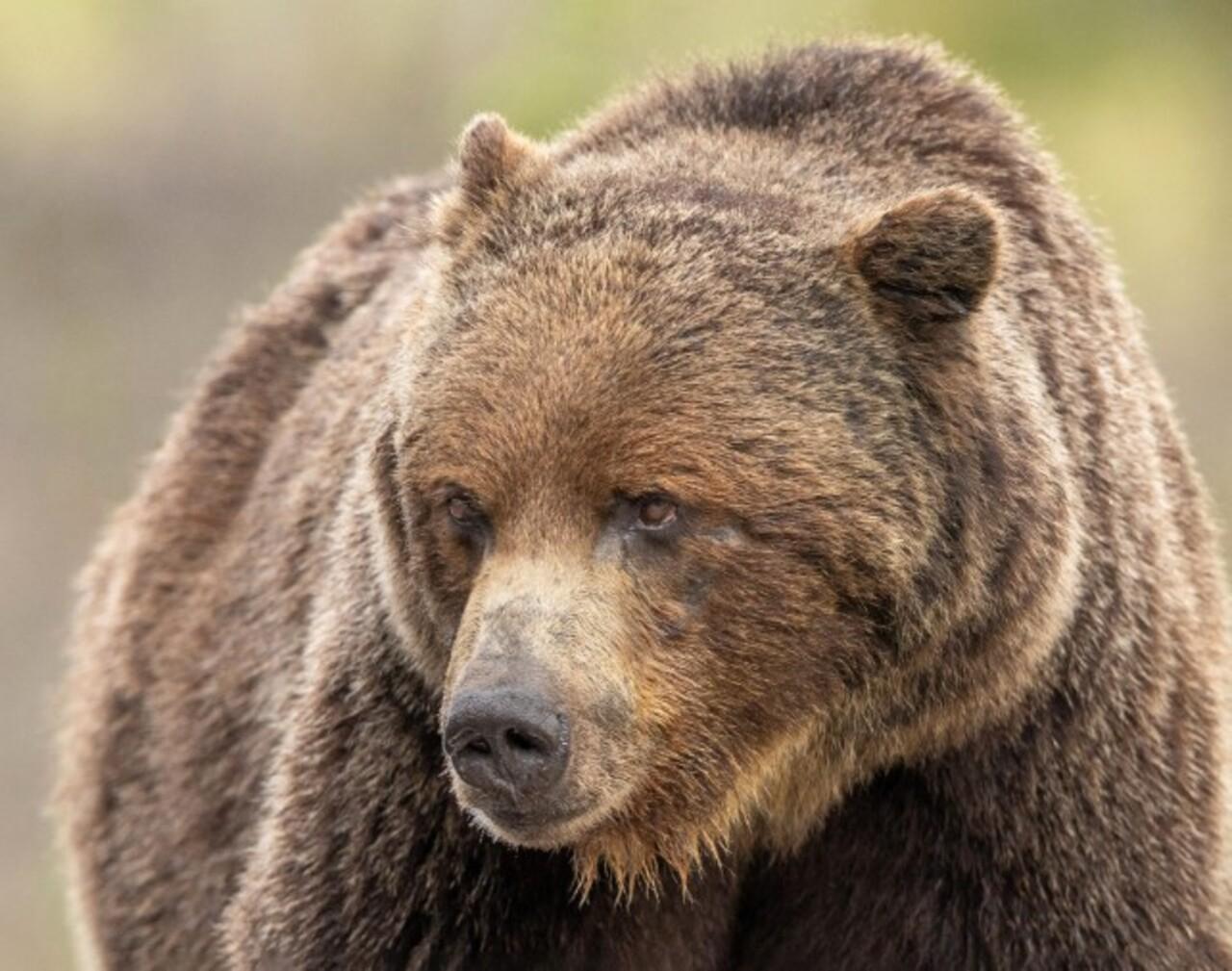
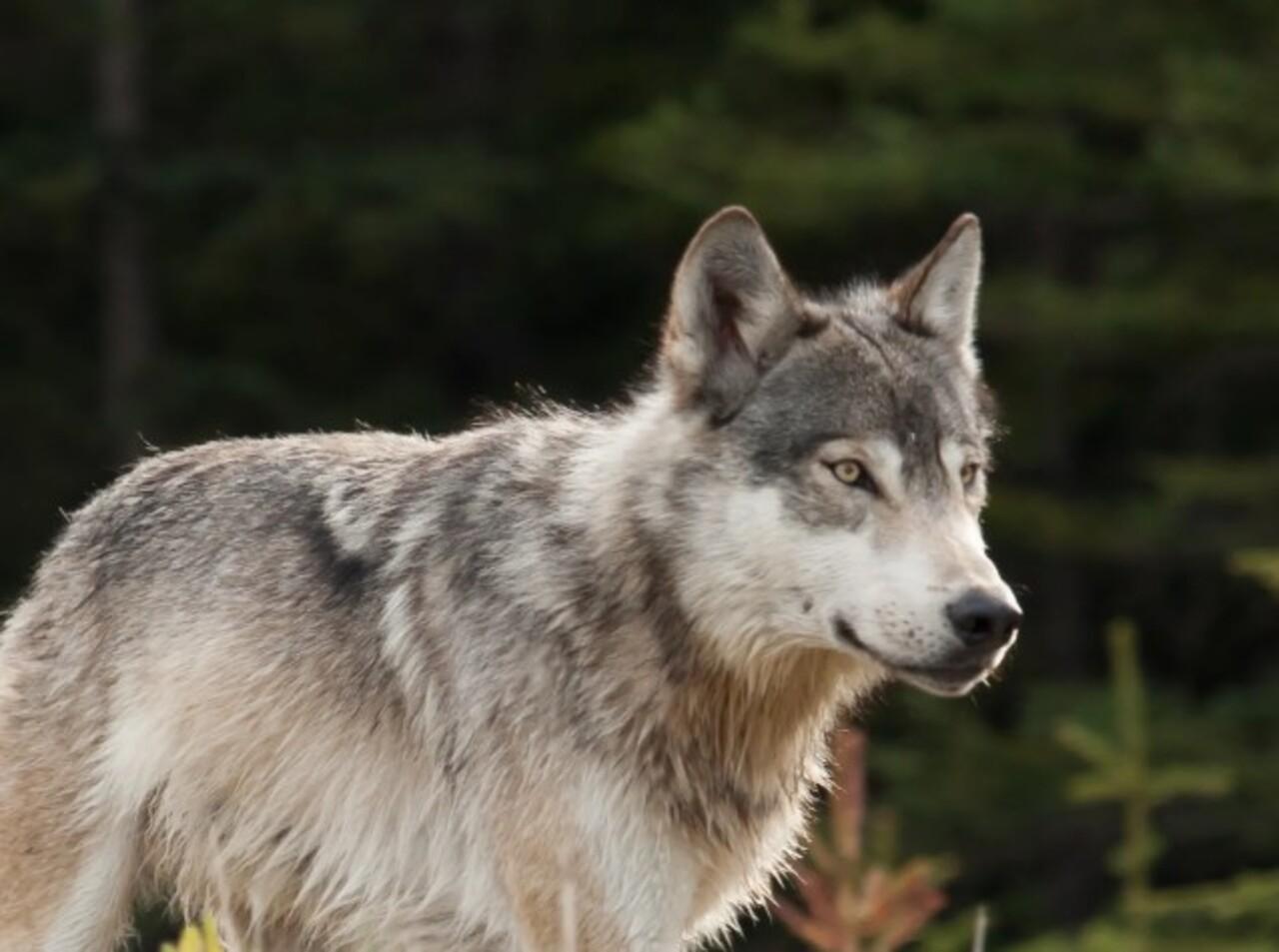
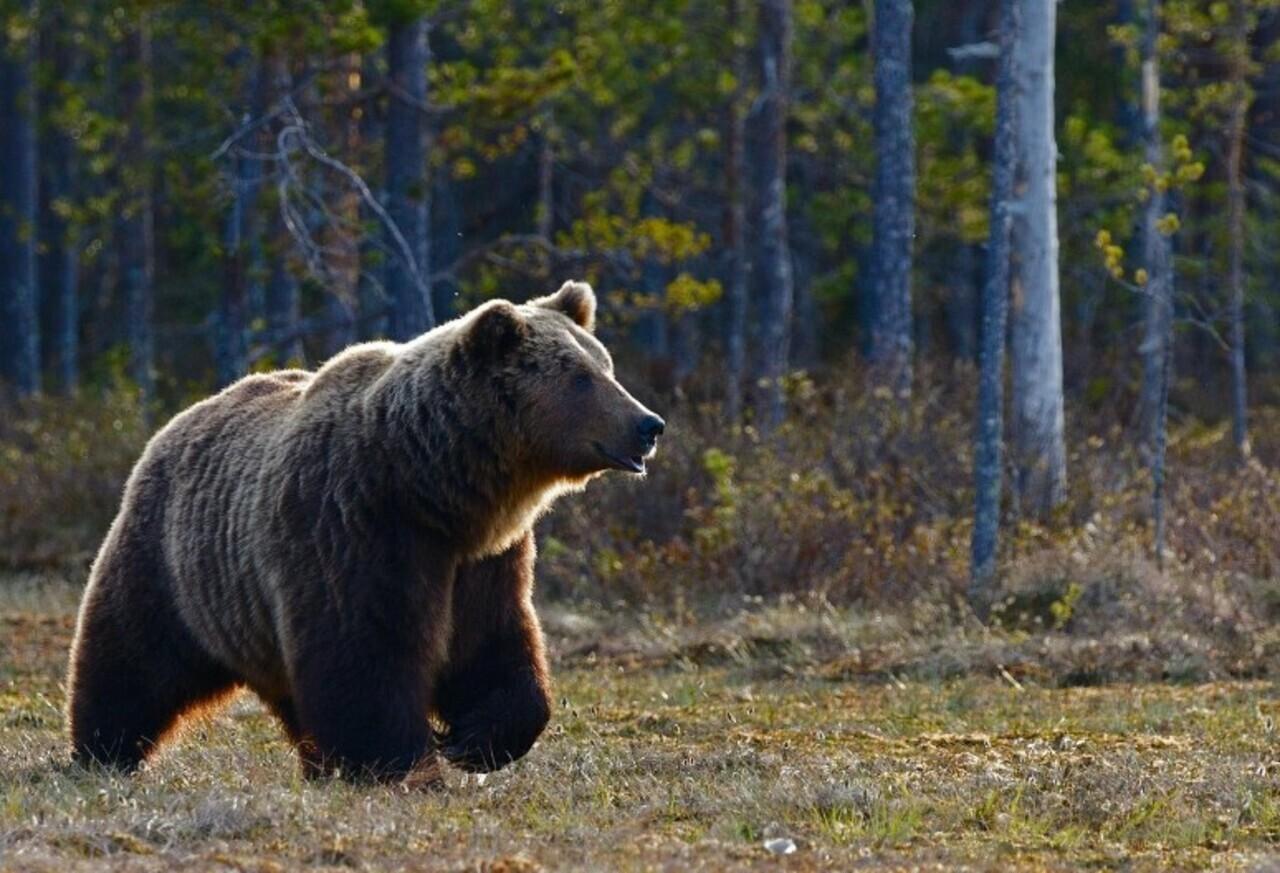
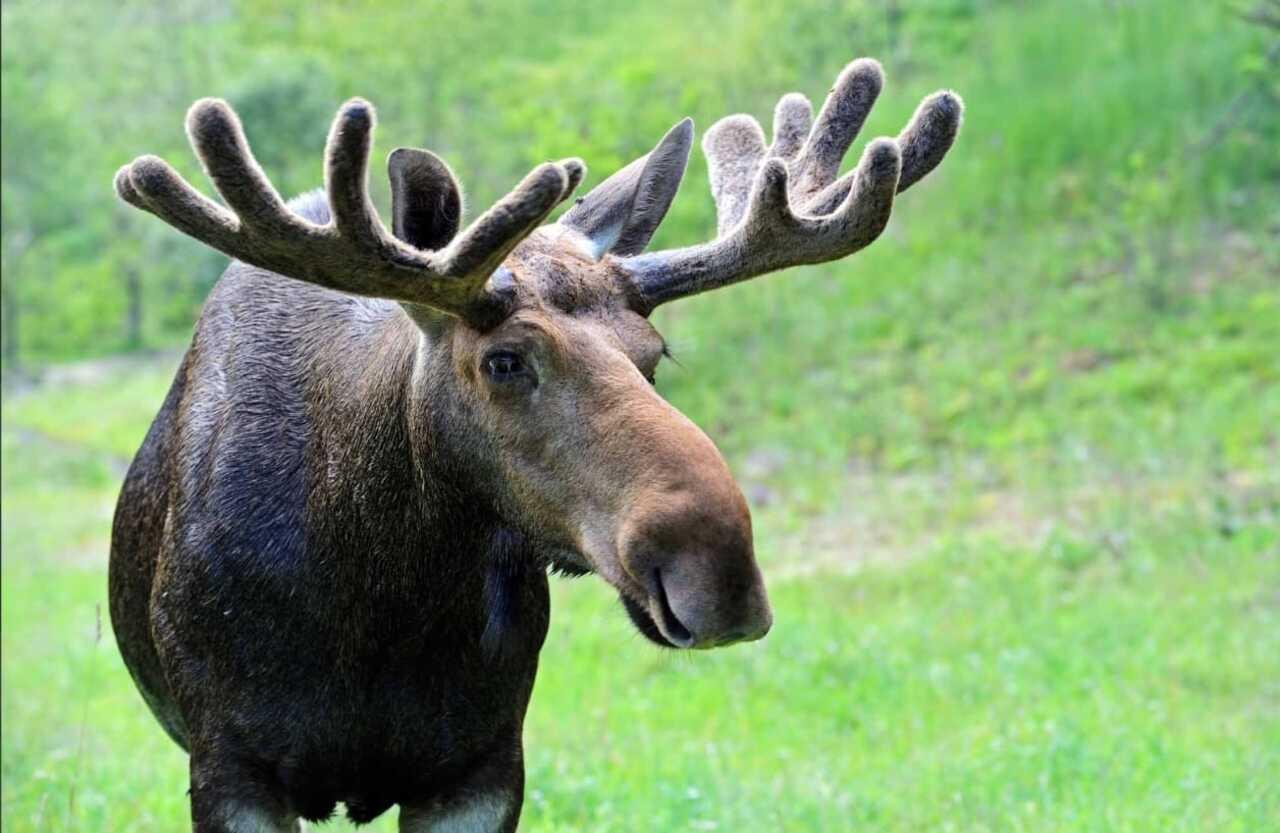
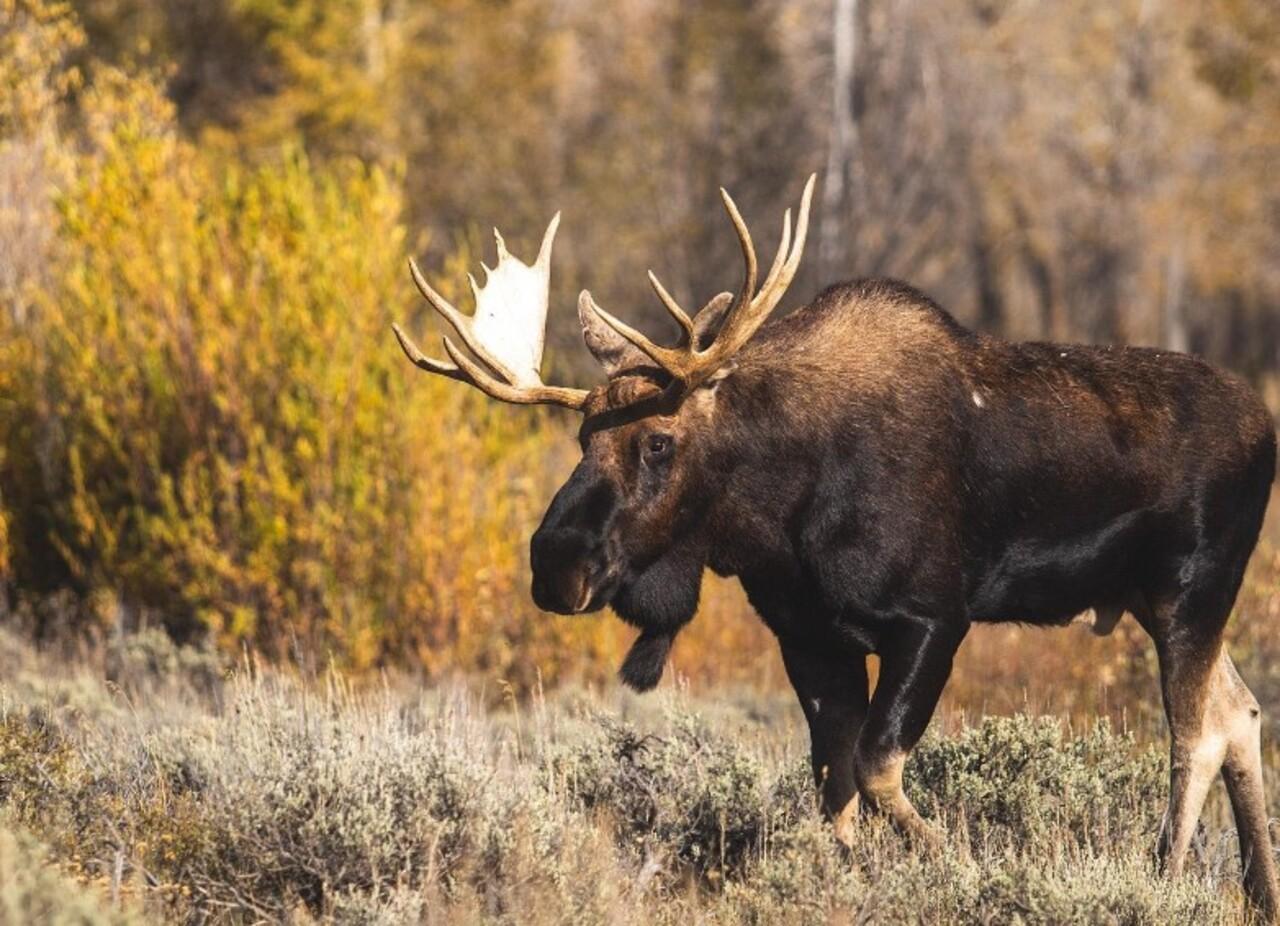
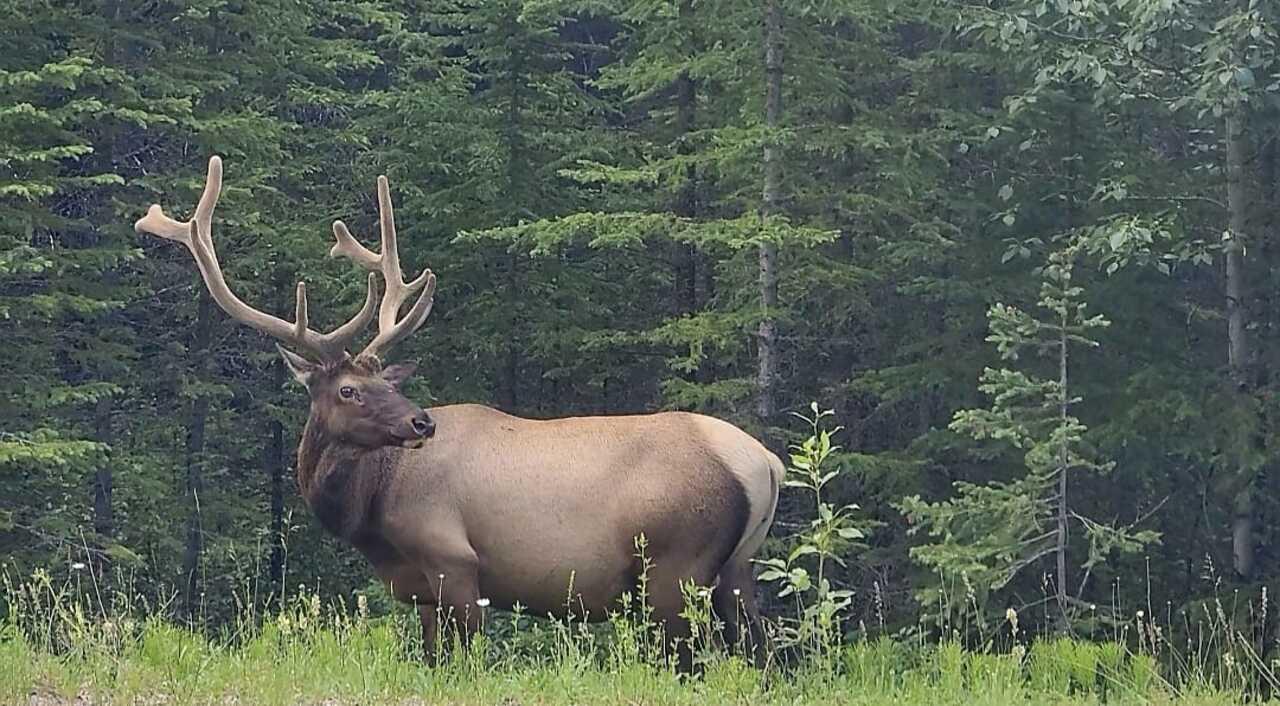
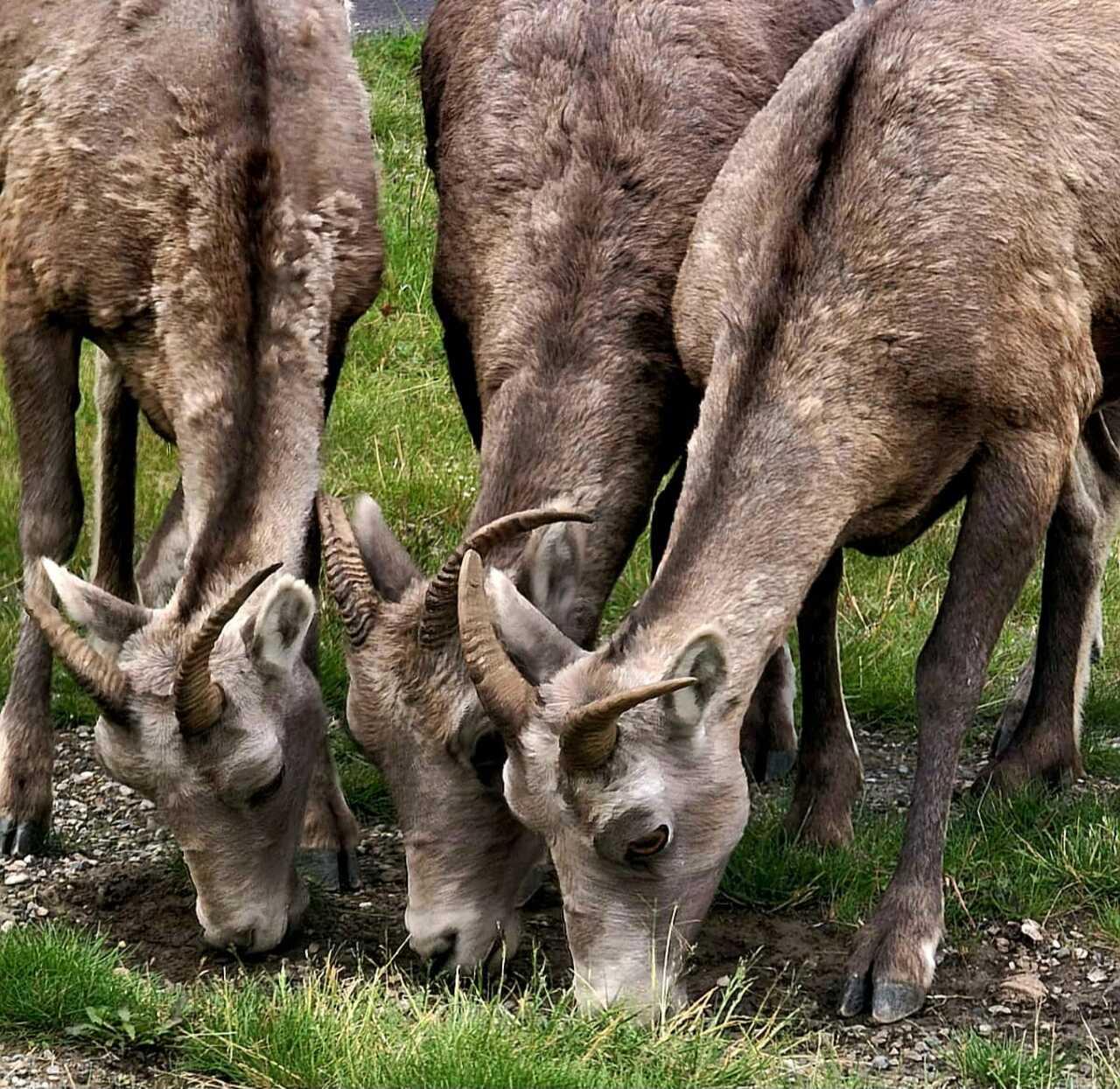
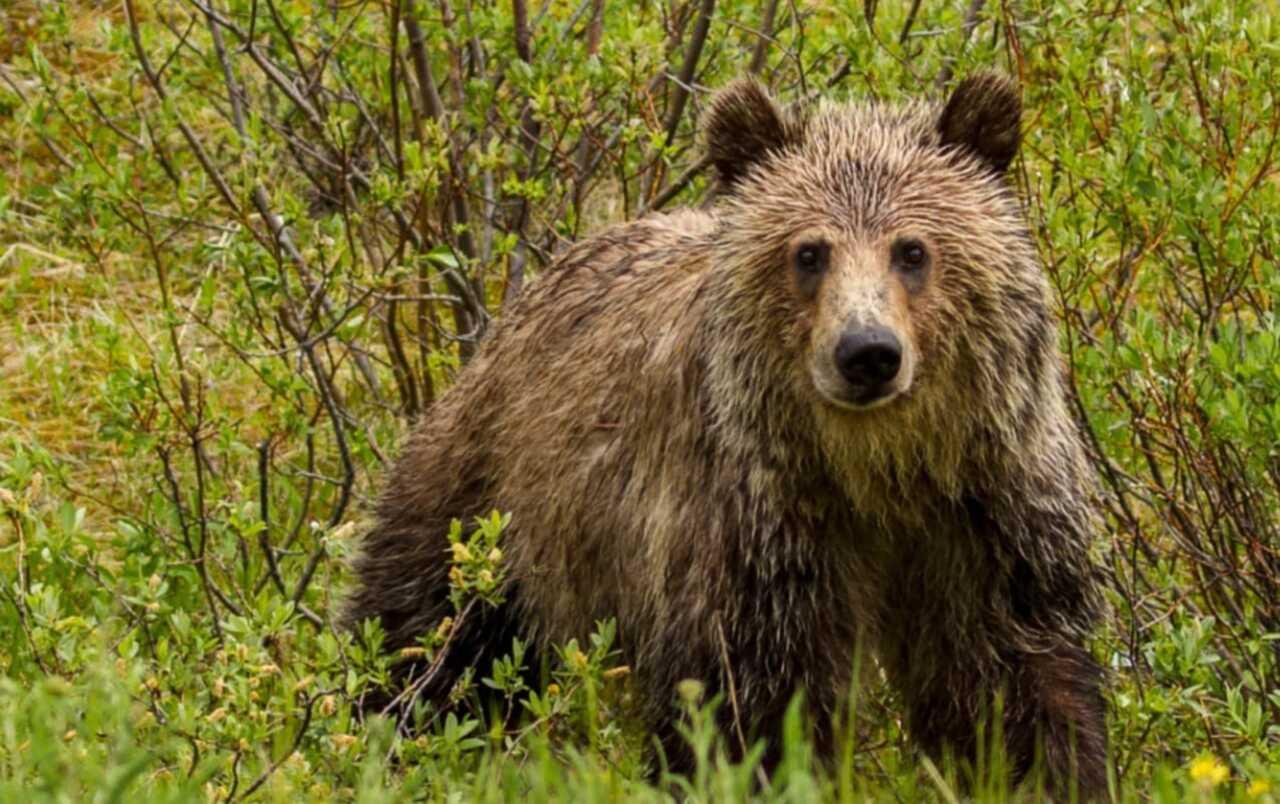
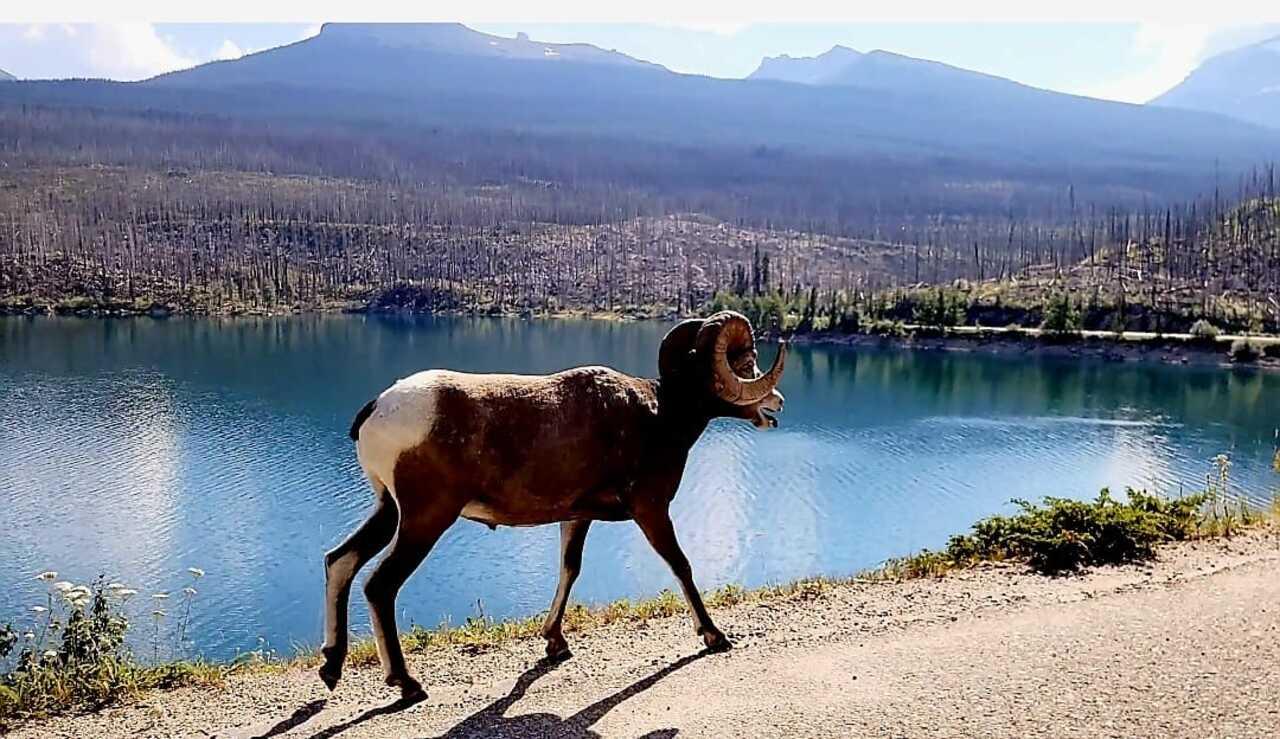
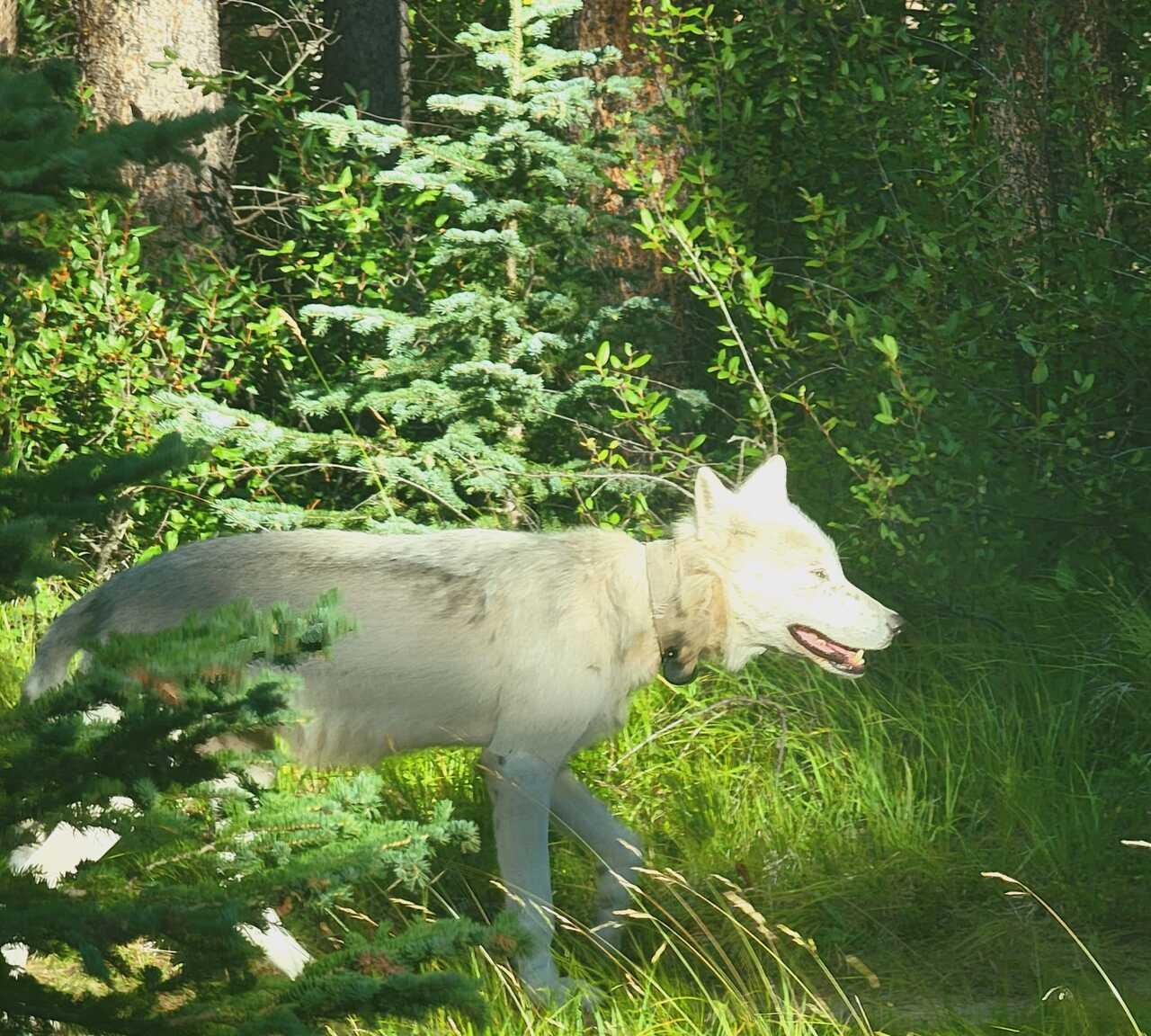
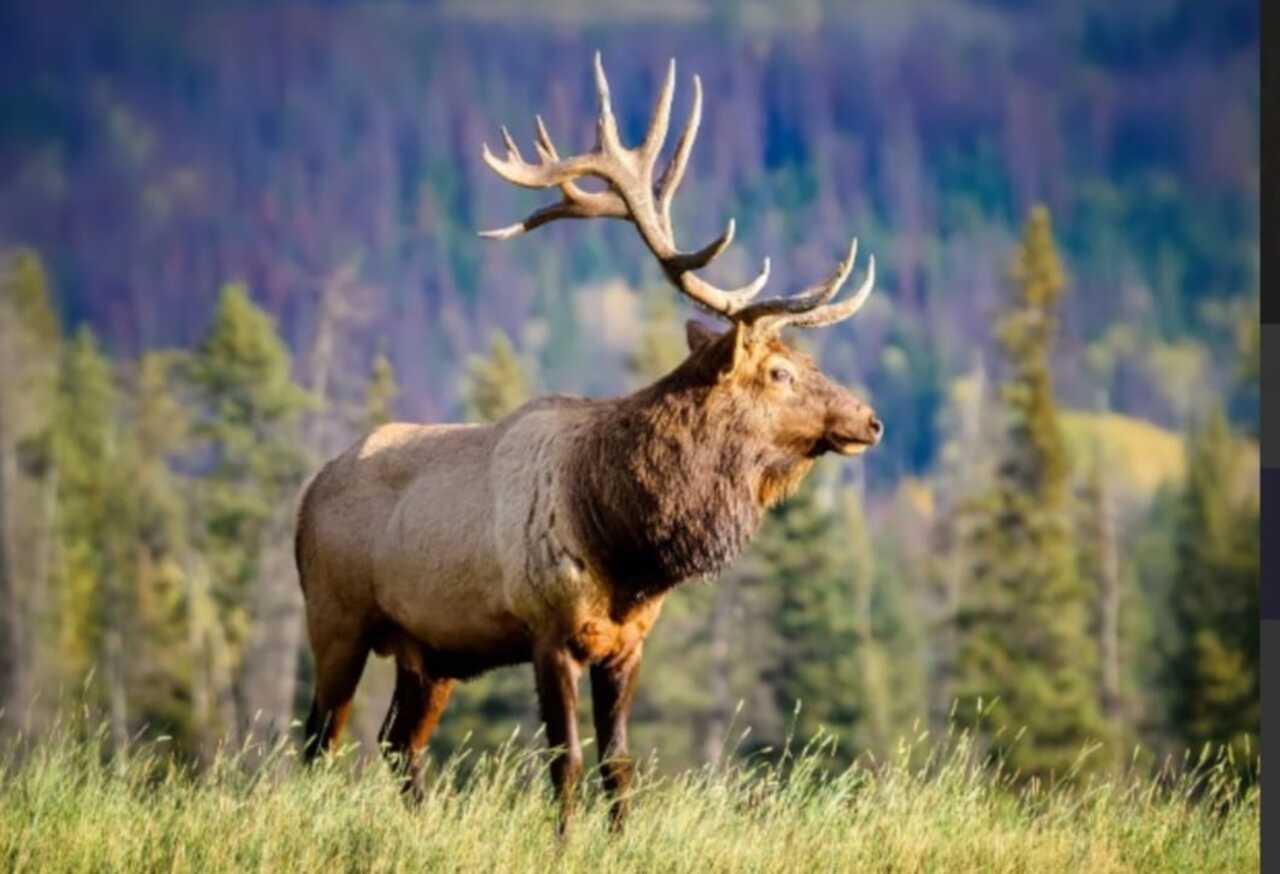
Elk in the meadows, bighorn sheep on the slopes, and alpine lakes turning gold as the sun drops behind the Rockies.
Book Your Experience
Check Availability & Prices
Select your preferred date and time. Instant confirmation — free cancellation up to 24 hours before departure.
Evening Safari vs. Daytime Tour vs. Self-Drive at Dusk
Banff's wildlife is most active at dawn and dusk. Here's how the three ways to see it compare.
| Feature | BEST ODDS Evening Twilight Wildlife Safari | Daytime Wildlife Minibus Tour | Self-Drive at Dusk |
|---|---|---|---|
| Timing | Built around golden hour — peak wildlife activity | Daytime hours, when many animals rest in cover | You pick the time — dawn or dusk is best |
| Wildlife Odds | Highest — guide tracks where animals are moving | Good for roadside elk, deer, and sheep sightings | Hit or miss; depends on your timing and luck |
| Guiding | Local naturalist who knows the corridors | Knowledgeable local guide on a set route | None — you spot and identify on your own |
| Driving & Navigation | ✓ Handled for you — relax and watch | ✓ Handled for you on a fixed loop | You drive narrow valley roads at low light |
| Scenic Stops | Alpine lakes, hoodoos, and viewpoints at golden hour | Lake Minnewanka, Bow Falls, Banff Springs Hotel | Anywhere you like — fully flexible |
| Safe Distances | Guide keeps you legal: 30 m from elk, 100 m from bears | Guide manages distance on roadside stops | Your responsibility — easy to get too close |
| Free Cancellation | ✓ Up to 24 hours before | ✓ Up to 24 hours before | Not applicable |
| Starting Price | From $139/per person | From $63/person (half-day minibus) | Vehicle rental + fuel + park pass |
| Check Availability | See the Tour |
More Options
Compare Banff Wildlife & Evening Tours
The dedicated twilight wildlife safari is the closest match — but Banff also offers daytime wildlife minibus tours, a grizzly refuge trip, morning viewing, and after-dark stargazing. All with free cancellation.
 TWILIGHT SAFARI
Banff Twilight Wildlife & Alpine Lakes Sunset Safari
A small-group evening safari built around golden hour — when Banff's wildlife is most active — pairing adaptive wildlife-spotting with stops at alpine lakes, hoodoos, and waterfalls.
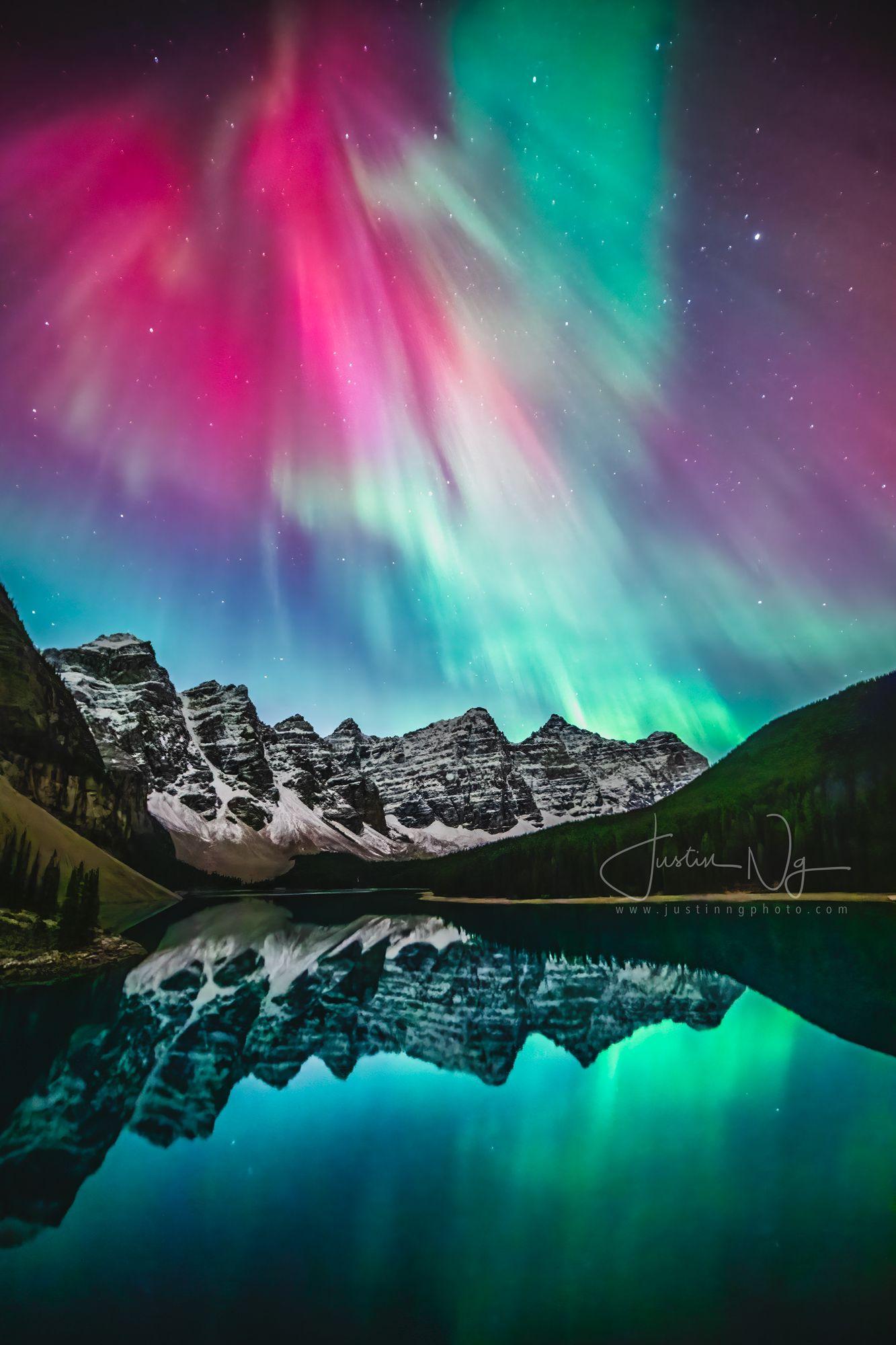 NIGHT + STARGAZING
Banff or Moraine Lake Night Tour with Stargazing
An after-dark tour to a low-light-pollution spot near Banff or Moraine Lake, with a telescope, warm blankets, and hot drinks for stargazing under the Rockies.
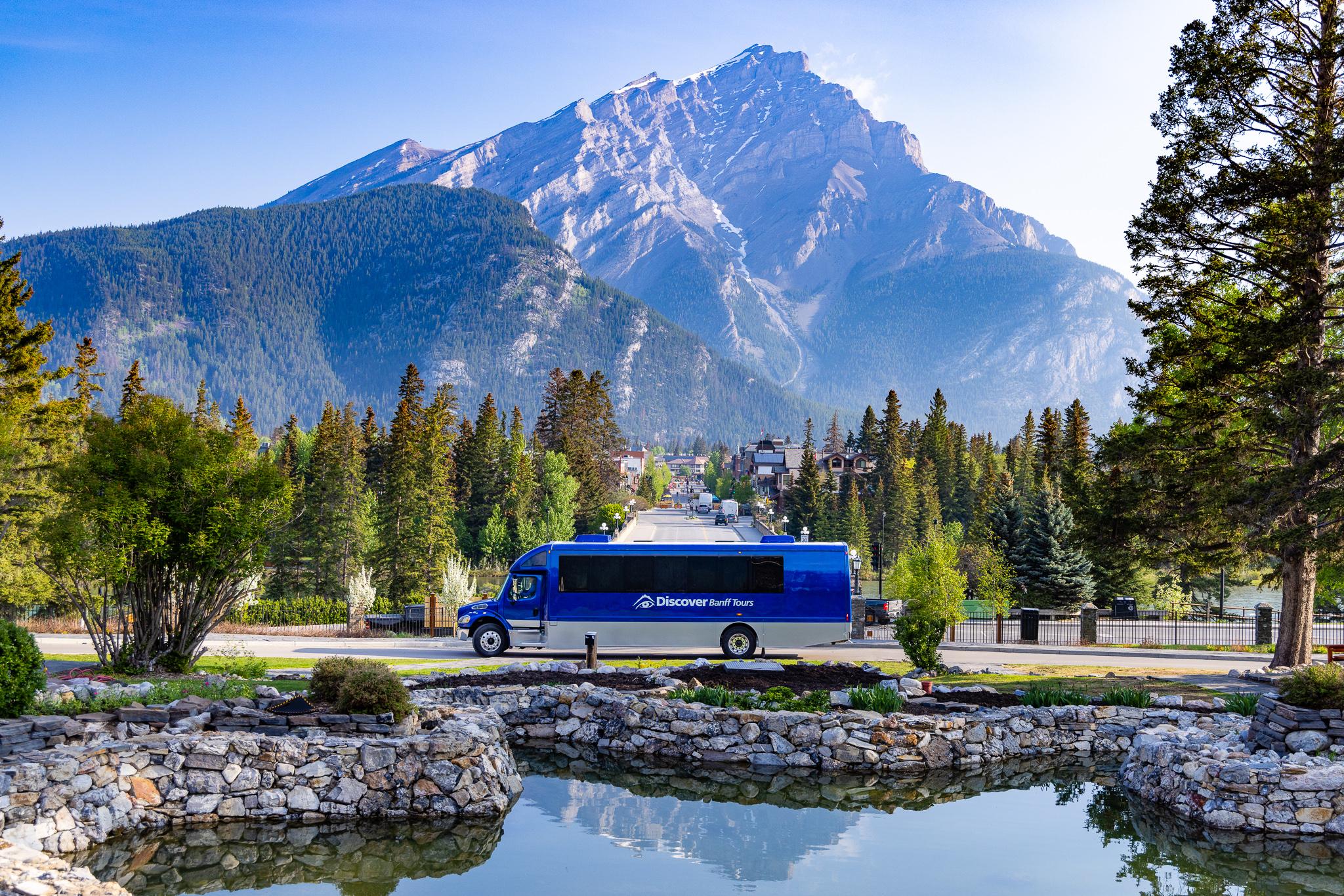 MOST REVIEWED
Banff Wildlife and Sightseeing Minibus Tour
A guided minibus loop of Banff's classic sights — Lake Minnewanka, Bow Falls, the Banff Springs Hotel — with eyes out for elk, deer, and bighorn sheep along the way.
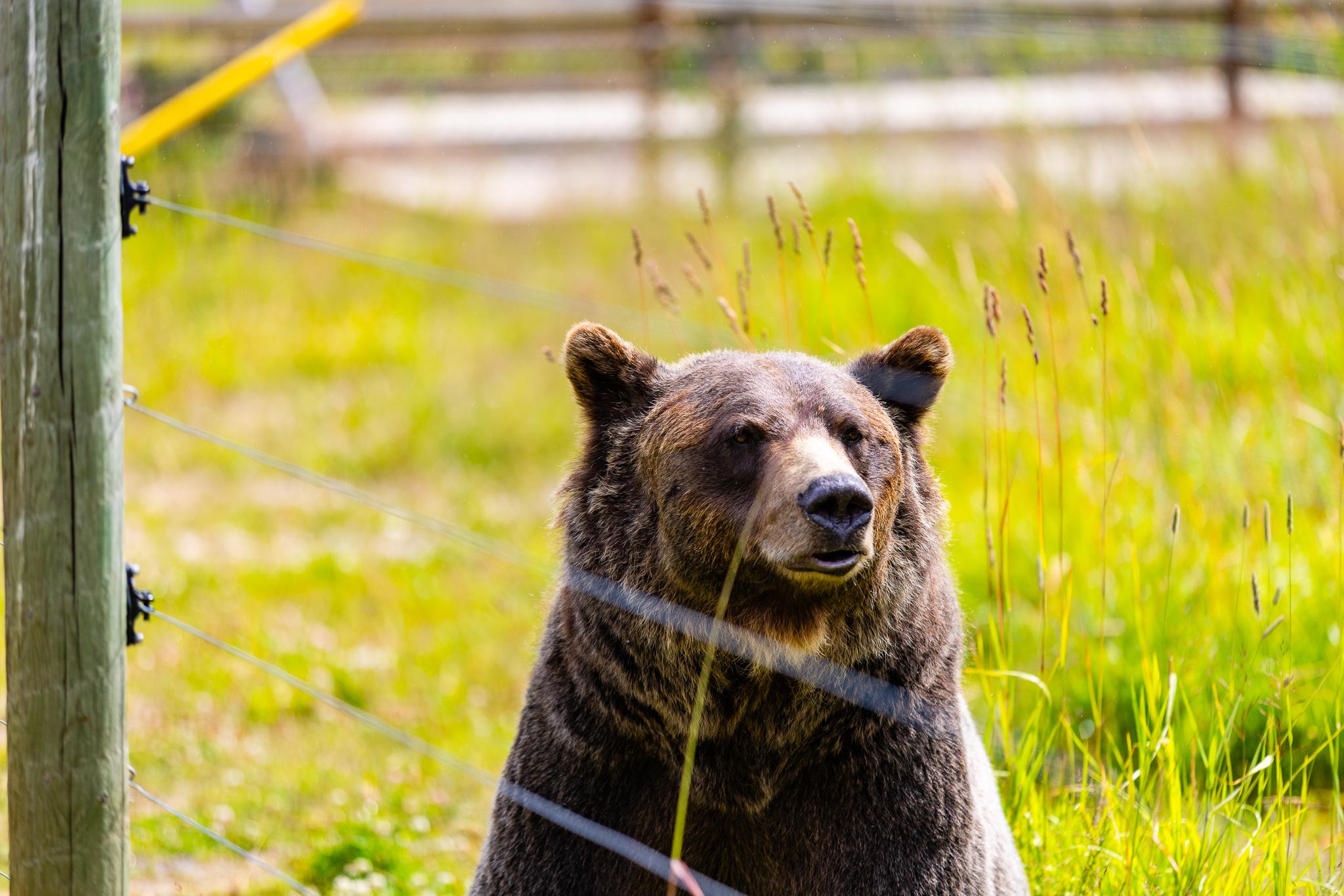 GRIZZLY BEARS
Banff Grizzly Bear Refuge Tour with Lunch
A small-group day trip to the Kicking Horse Grizzly Bear Refuge to meet Boo the grizzly, with a sightseeing gondola, the Golden Skybridge, and lunch included.
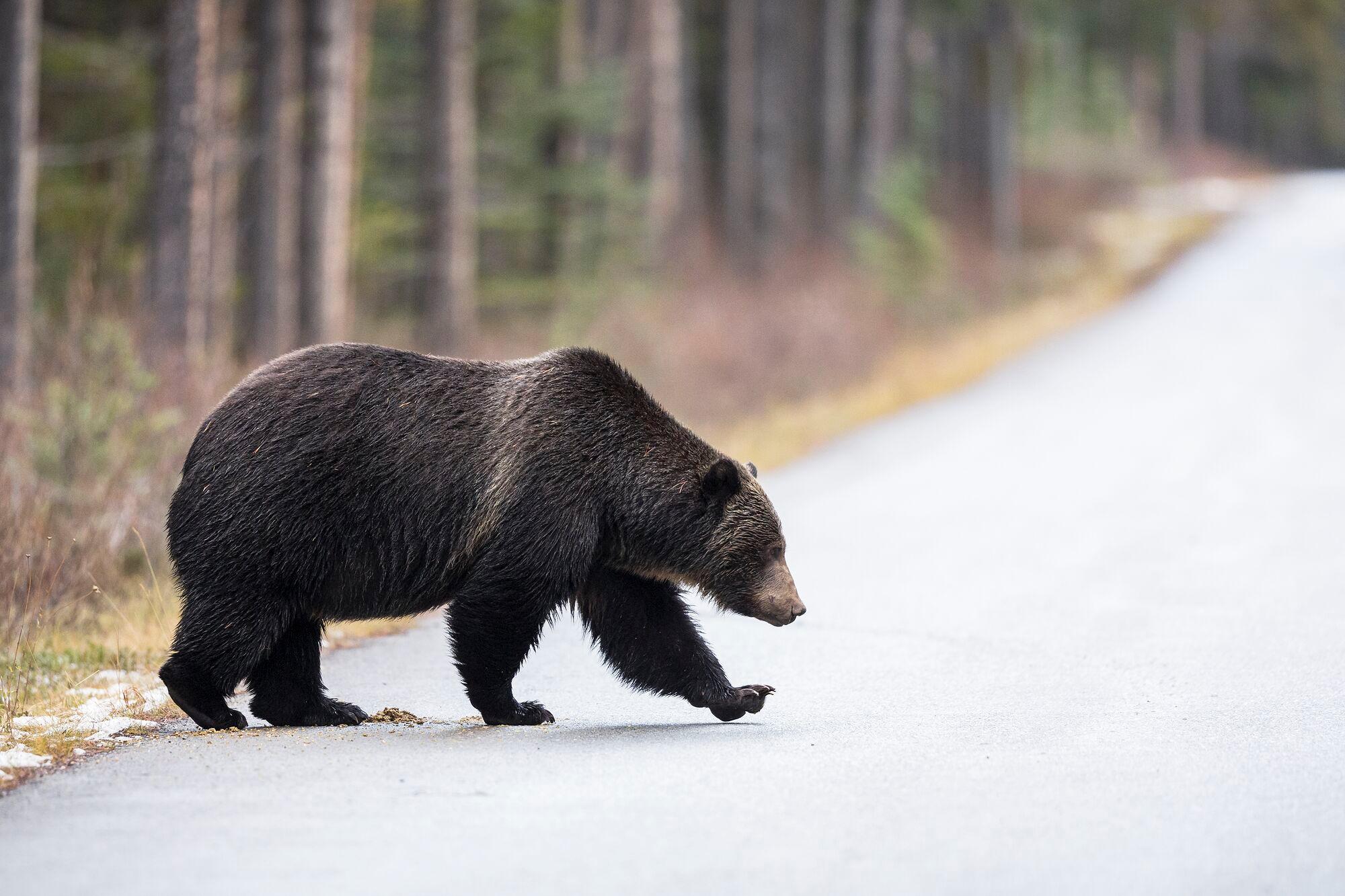 TOP RATED · 4.8★
Morning Wildlife Viewing Tour from Banff or Canmore
An early-morning wildlife-spotting drive from Banff or Canmore with a naturalist guide, following the animals into quieter corners of the park away from the crowds.
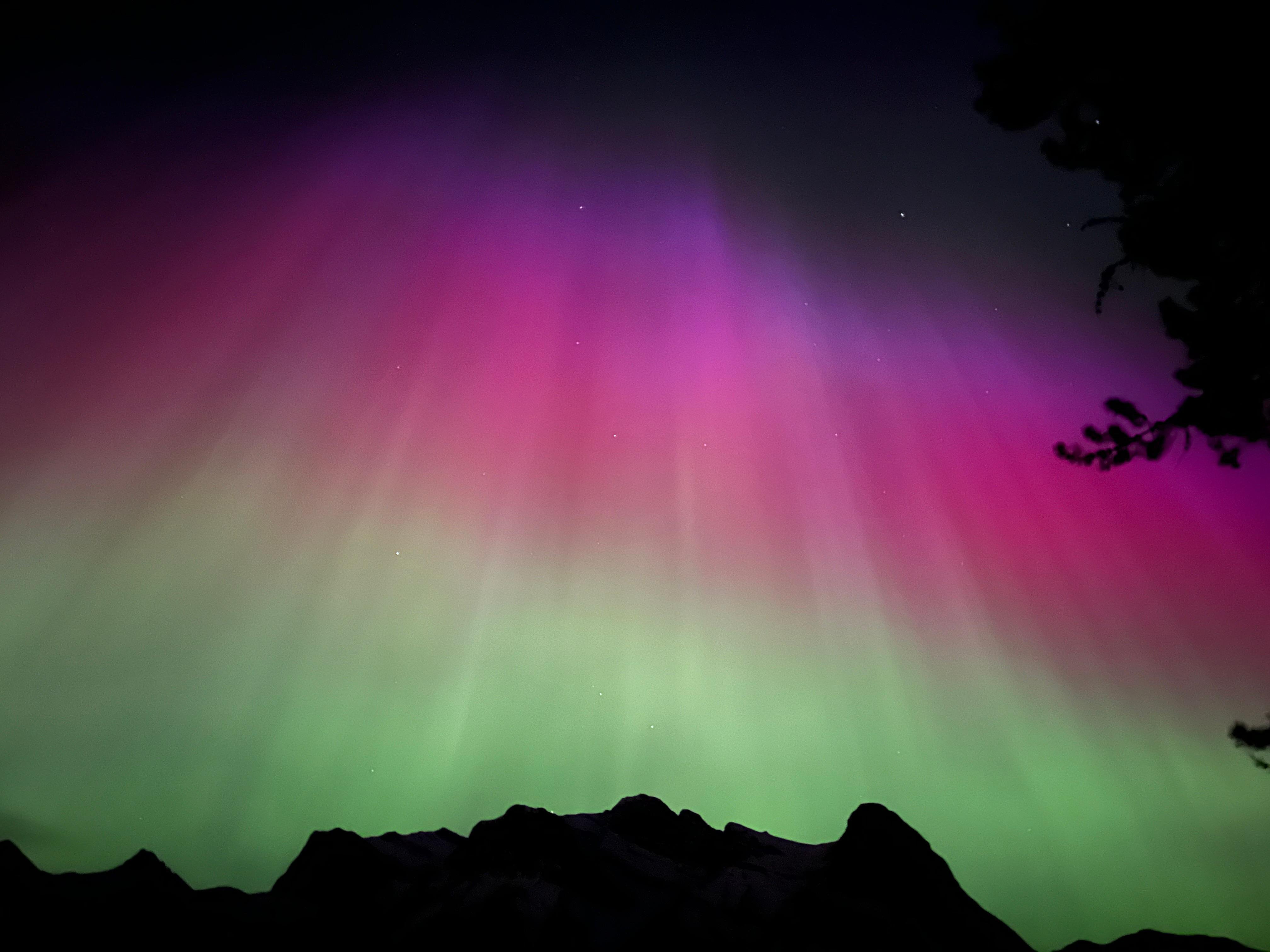 STARGAZING · 5.0★
Banff Night Sky Stargazing & Northern Lights Tour
A nighttime drive into dark Rockies skies to chase the northern lights or stargaze, with a guide sharing star lore and helping you photograph the aurora.
The Complete Guide
Everything You Need to Know About Seeing Banff's Wildlife at Dusk
Why golden hour beats midday for spotting elk, deer, sheep, and bears — when to go, where to look, and how to watch wild animals safely.
Banff National Park is one of North America’s great wildlife landscapes — but the animals don’t perform on a schedule, and they’re rarely out in force in the heat and bustle of midday. The single biggest thing that separates a memorable wildlife outing from a disappointing one is timing. The Rockies come alive in the soft, low light of dawn and dusk, and an evening wildlife safari is built around exactly that window.
Why Dusk Is the Best Time to See Wildlife
Many of Banff’s large mammals are crepuscular — most active in the twilight hours around sunrise and sunset. As the day cools and the light softens, elk move out of the trees to graze, deer drift into meadows, and bighorn sheep work their way down the slopes. Watching at dusk simply puts you outside when the animals are. It’s also when the valley is at its most beautiful: the peaks turn gold, the lakes go mirror-still, and the harsh midday glare gives way to the kind of light photographers chase.
A guided evening safari adds a second advantage on top of timing: local knowledge. Guides spend their evenings in the same valleys week after week, so they know which corridors animals have been using lately, and they can adjust the route in real time rather than driving hopefully and hoping for the best.
What You Can Realistically See
No honest guide will promise you a particular animal — these are wild creatures roaming a park larger than some countries. But here’s what’s genuinely on the table at dusk:
- Elk are the most reliably seen large animal, often right around the Banff townsite and along valley meadows. In September and into mid-October the bull elk enter the rut, bugling and sparring — one of the most dramatic wildlife spectacles in the park.
- Mule deer and white-tailed deer are common at forest edges and roadsides in the evening.
- Bighorn sheep graze open slopes and tend to gather at lower elevations from late fall through spring; the Lake Minnewanka area and the Bow Valley are good bets.
- Black bears and grizzly bears are seasonal. They generally hibernate from roughly October–November through April, so the realistic windows are spring (May–June) as they emerge to feed and fall (September–October) as they fatten up before denning.
- Wolves, coyotes, and moose are around but far less predictable — a genuine stroke of luck rather than something to expect.
The honest framing matters here: an evening safari maximises your odds, it doesn’t manufacture a guarantee. Some evenings deliver a parade; others give you one distant elk and a spectacular sunset. Both are the real Banff.
Watching Wildlife Safely — and Legally
Banff’s animals are wild, and getting too close is dangerous for you and harmful to them. Parks Canada sets legal minimum distances, and a responsible guide enforces them:
- Stay at least 30 metres (about three bus lengths) from elk, deer, bighorn sheep, and moose.
- Stay at least 100 metres (about ten bus lengths) from bears, wolves, cougars, and coyotes.
Never feed, crowd, or follow an animal, and if your presence makes it move, you’re too close. Use binoculars or a zoom lens instead of stepping nearer. During the elk rut in autumn, elk become especially unpredictable and territorial, so distance is non-negotiable. On a guided safari, all of this is handled for you — you get to simply watch.
Where the Wildlife Is
A few corners of the park earn their reputation. The meadows and slopes around the Banff townsite regularly hold elk. Lake Minnewanka and its loop road are good for sheep and a mix of valley wildlife. The Vermilion Lakes, just minutes from town, are a classic golden-hour stop where the still water reflects Mount Rundle while you scan the wetlands. The open stretches of the Bow Valley are productive too.
One practical note worth knowing: the eastern section of the Bow Valley Parkway (Highway 1A) is closed to all traffic at night from March 1 to June 25 specifically to give wildlife undisturbed habitat — research shows animals roughly double their use of that corridor when people aren’t there after dark. That’s a good thing for the animals, and it’s why spring and early-summer evening tours focus on other corridors.
Seasons at a Glance
Every season offers something. Summer evenings are long and mild, with the best odds for bears feeding and elk in the meadows. Autumn is arguably the headline season: the elk rut, fall colour, and bears in their pre-hibernation feeding frenzy all overlap in September and October. Winter trades bears for snow-dusted scenery, bighorn sheep pushed down to accessible elevations, and a real chance at northern lights on the night tours. Spring brings bears out of hibernation and newborn animals into the valleys.
Choosing Your Tour
The dedicated twilight wildlife safari featured on this page is the truest match for an evening wildlife outing — it’s timed for golden hour and pairs wildlife-spotting with alpine-lake stops. If your schedule points elsewhere, Banff also offers daytime wildlife and sightseeing minibus tours, an early-morning viewing tour that catches the dawn activity window, a day trip to a grizzly bear refuge, and after-dark stargazing and northern-lights tours for nights when the sky is the show. Compare them below and pick what fits the experience you’re after.
When you’re ready to head out at the best hour of the day, check availability for the guided twilight safari.
Guest Reviews
What Travelers Say
5/5
from 23 verified guests
"Absolutely loved the tour. The guide Mike was so friendly and knowledgeable about the areas we visited. We were lucky to see chipmunks, elk and mountain sheep. Thanks again Mike!"
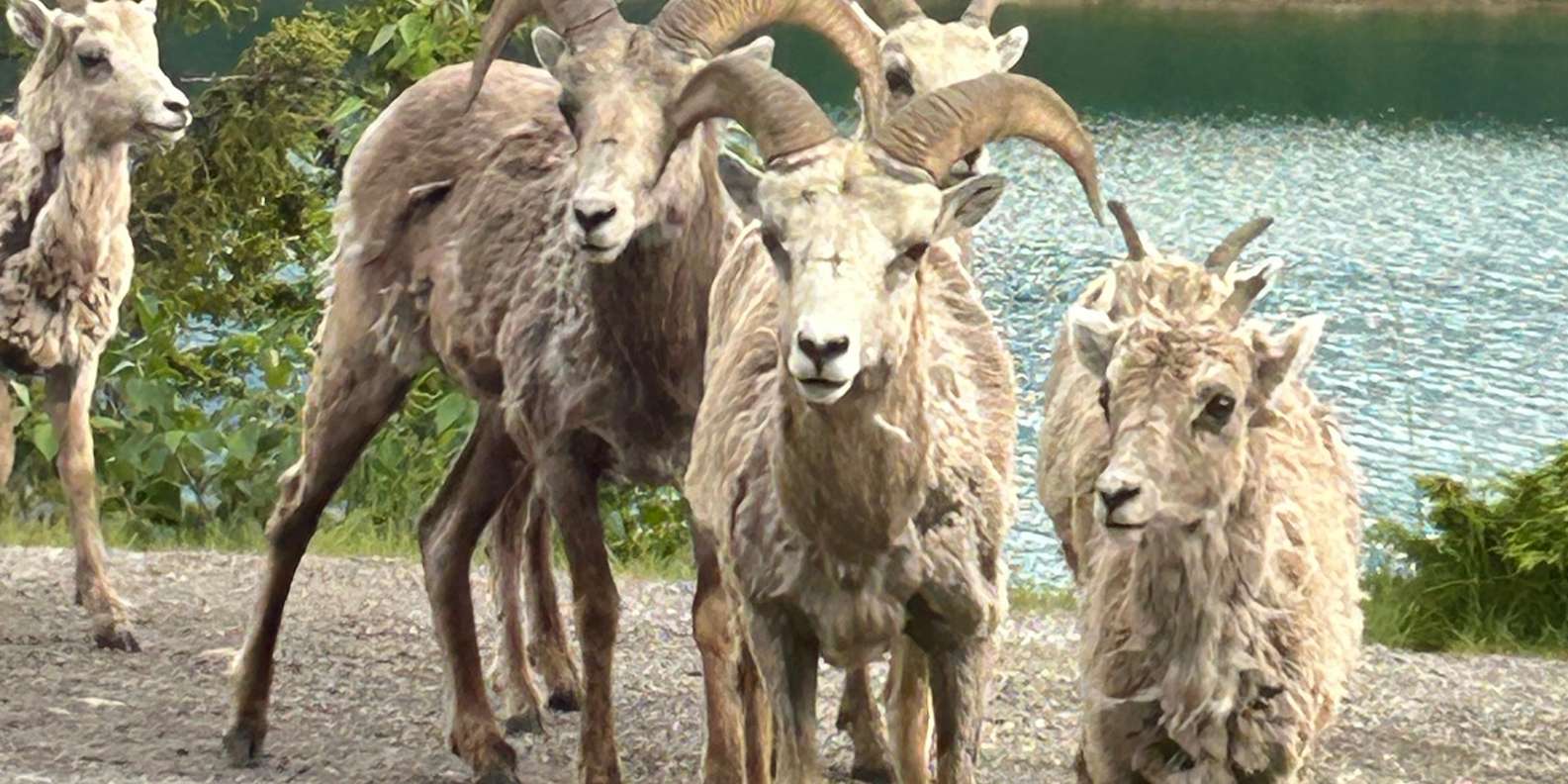
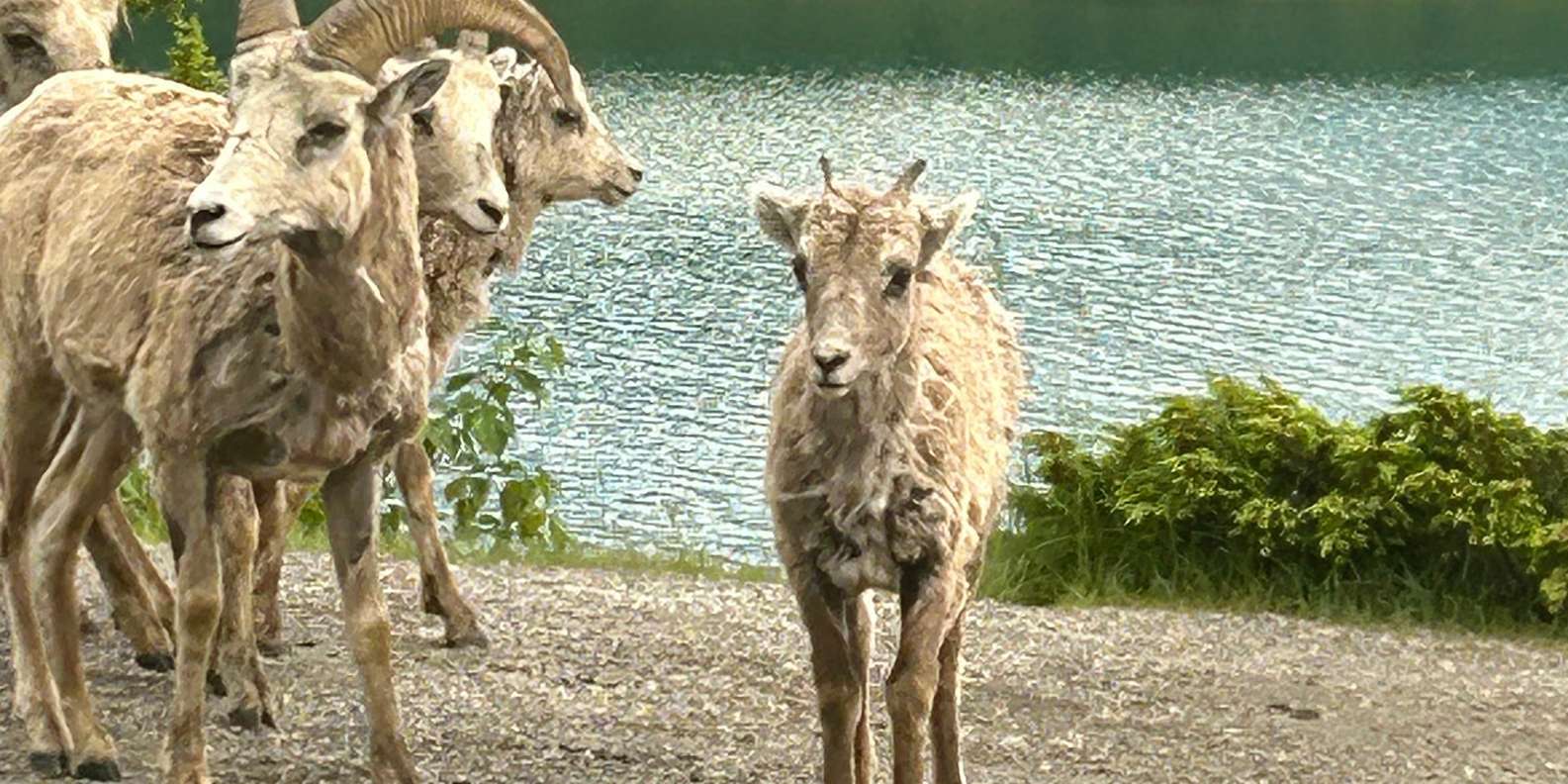
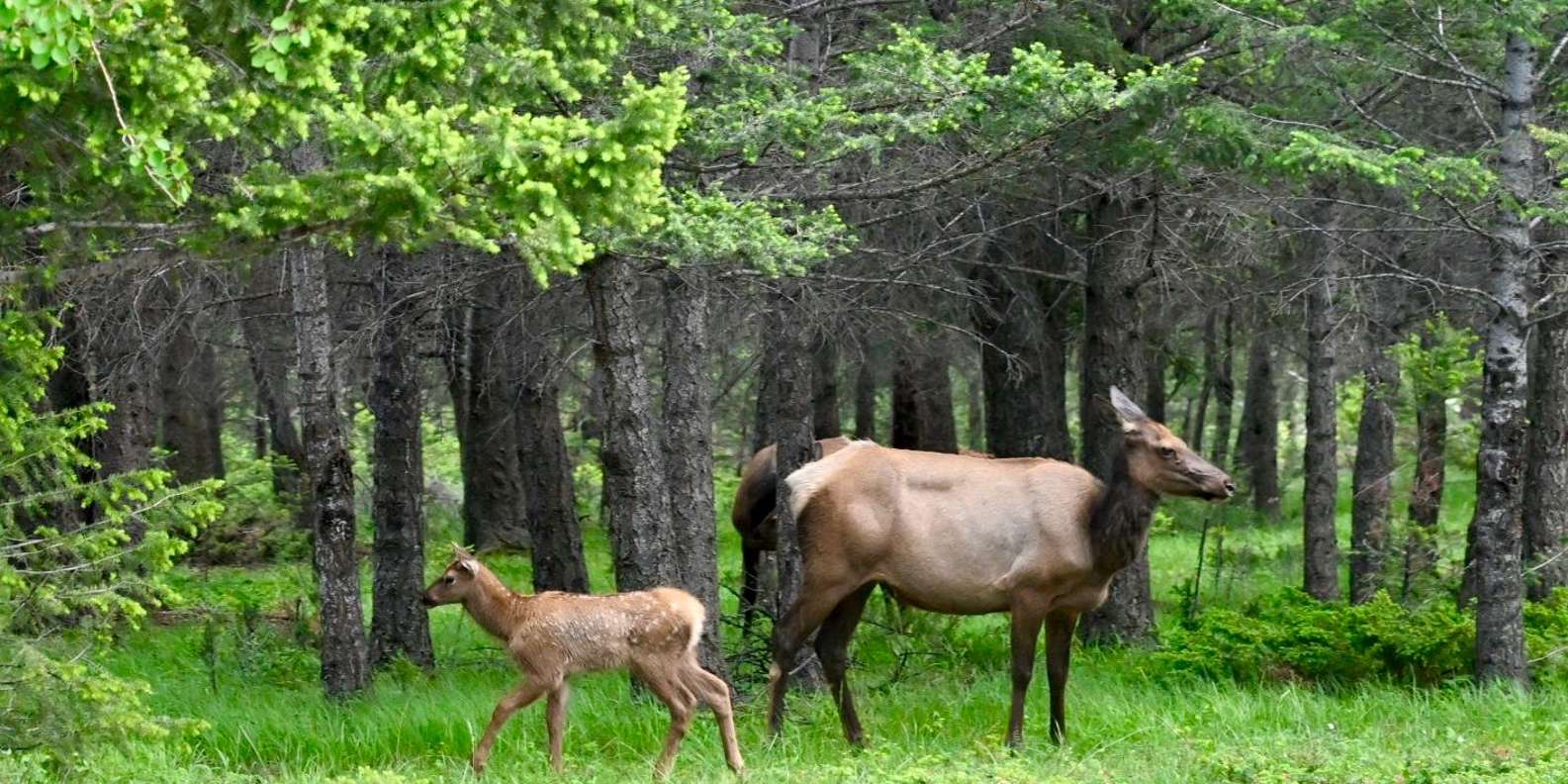
"Our guide Mike was very friendly and knew a lot about the area and the history of Banff. We saw bighorn sheep and elk cows, each with their young. We'd gladly do it again!"
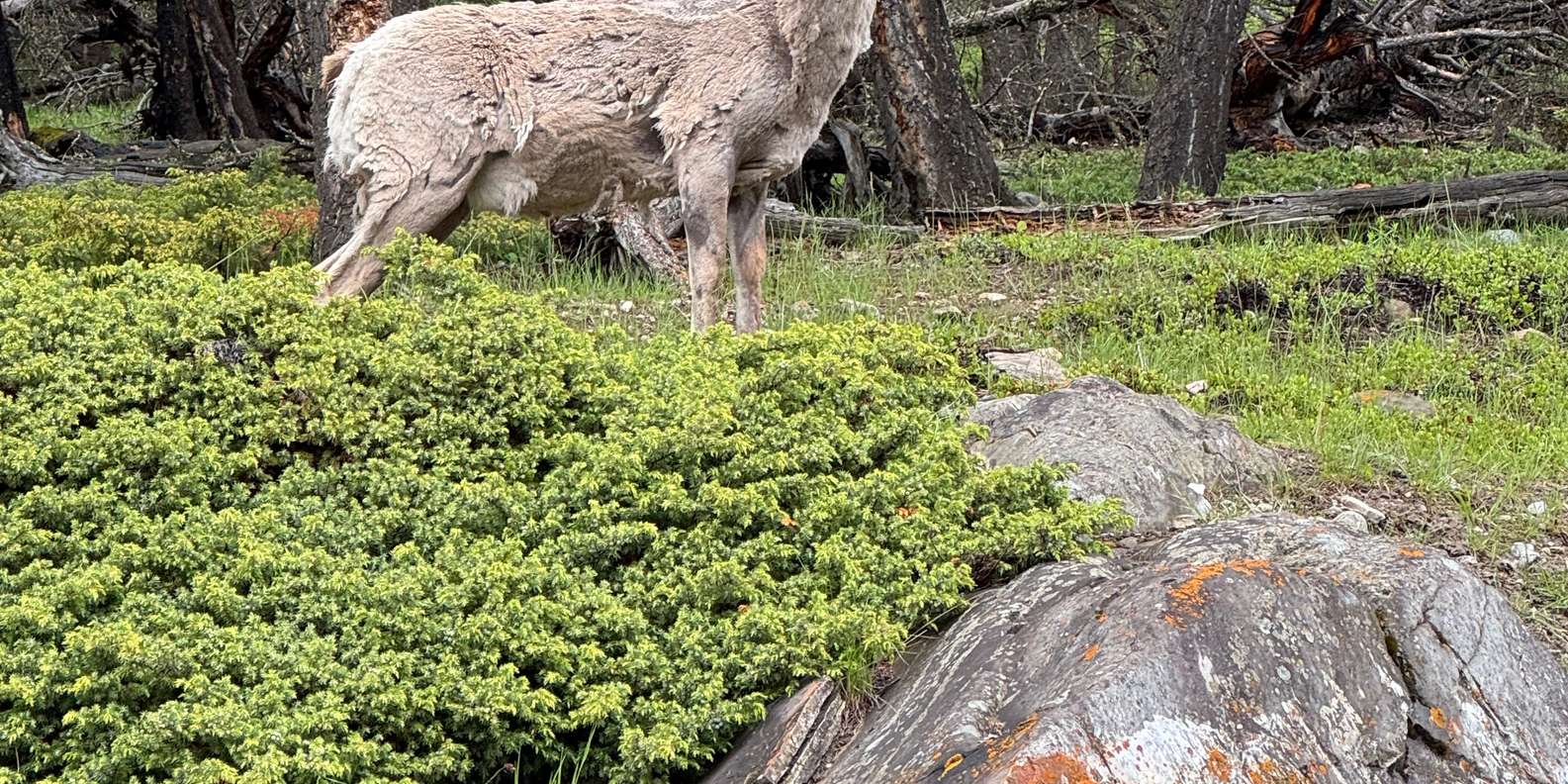
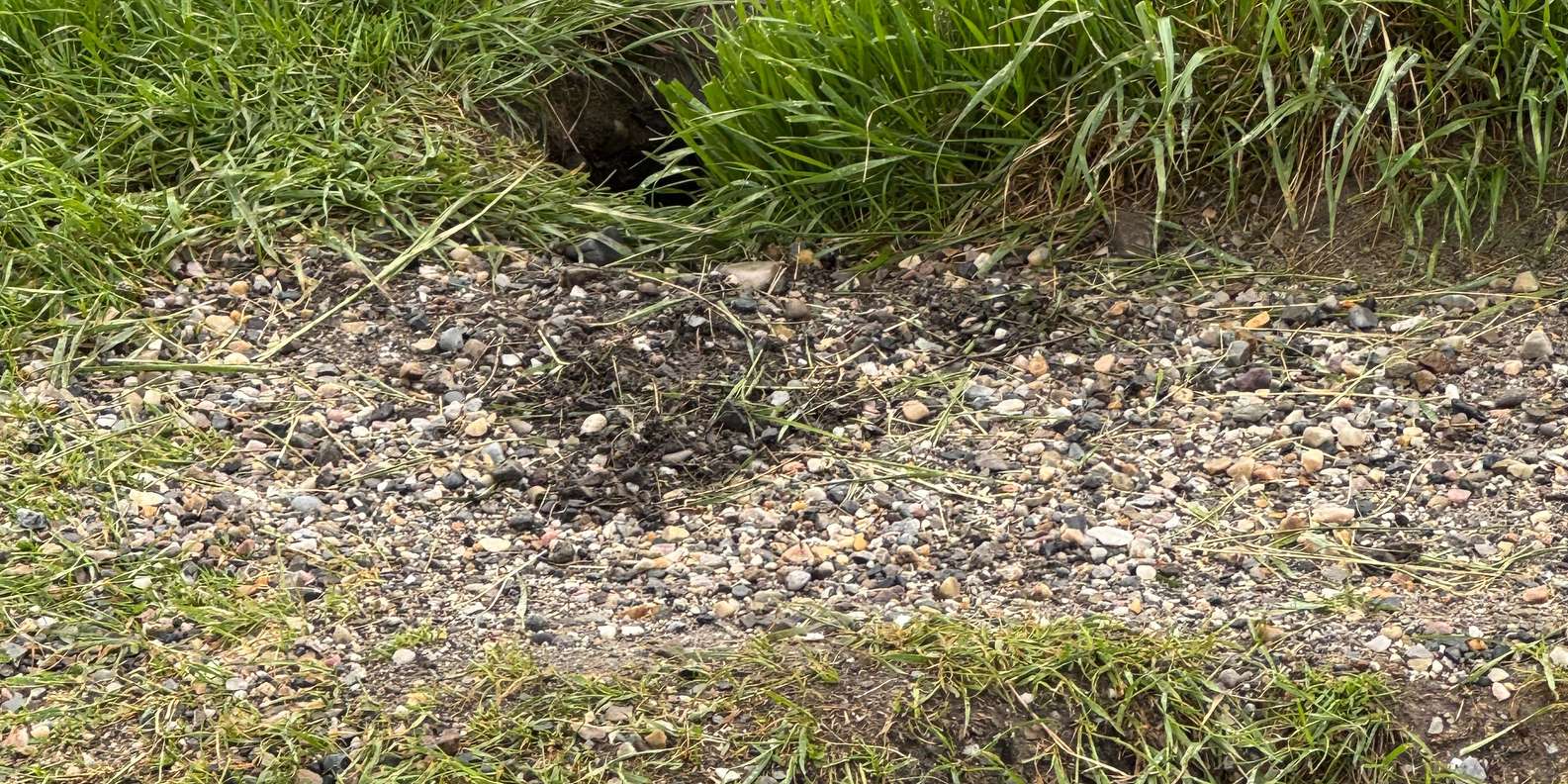
"The tour was amazing. There is no guarantee of seeing wildlife, but we got lucky. We saw multiples horn goat that were only a few feet away from us. We went to an area that had dozens of columbian prairie dog, we saw a coyote and other animals. Our guide Mike was amazing, he took us to see some beautiful view and allowed us enough time to walk around and take picture’s. He also knows alot about the region and was able to teach us about it’s history. He also recommended us on things to do around here. He recommended that we use a specific road on our way back to our hotel, since it was an active region for black bear. We saw 2 young bears, a black and brown one. Thank you for the great tour"
"Mike was fun, friendly and made our tour amazing. He went above and beyond to find us many deer and elk. The drive was informative and lakes were stunning. We had a wonderful time would highly recommend Mike to make your tour the best"
Read all 23 verified reviews
See All ReviewsSee Banff's Wildlife at Its Most Active — at Dusk
Skip the guesswork of self-driving at golden hour. This top-rated guided twilight safari times your outing for peak wildlife hours, with a local guide who knows where the animals move. Free cancellation up to 24 hours before. Starting from $139 per person.
Check Availability & BookCan't Make These Dates?
Browse More Available Options
Find a tour that fits your schedule — all with instant confirmation and free cancellation.
Banff Evening Wildlife Safari — Frequently Asked Questions
What you can see, when to go, and how to watch wildlife safely in Banff National Park.
Many of Banff's large animals are crepuscular — most active in the low light of dawn and dusk, when they come out to feed and temperatures are cooler. An evening safari is timed for exactly that window, which is why your odds of a sighting are higher than during the middle of the day, when animals often rest in cover. A guide who knows the valley's wildlife corridors stacks the odds further in your favour.
The most commonly seen large mammals are elk, mule deer, and bighorn sheep, which graze meadows and roadsides at dusk. In the warmer months you may also spot black bears or grizzly bears feeding, and — far more rarely — wolves, coyotes, or a moose. Smaller wildlife like beavers and birds of prey are also around. No tour can promise a specific animal; sightings depend on the season, weather, and luck.
No — and you should be wary of any tour that promises them. These are wild animals in a vast national park, so sightings are never guaranteed. What a guided evening safari does is maximise your chances: it goes out during peak activity hours, and the guide adapts the route in real time based on where animals have recently been moving.
Parks Canada sets legal minimum distances to protect both you and the animals: stay at least 30 metres (about three bus lengths) from elk, deer, bighorn sheep, and moose, and at least 100 metres (about ten bus lengths) from bears, wolves, cougars, and coyotes. A good guide keeps you at a safe, legal distance and uses binoculars or a zoom lens rather than approaching — never feed or crowd wildlife.
The elk rut, or mating season, runs from September through mid-October. It's one of the most dramatic times to watch wildlife: bull elk bugle, spar, and herd cows, often right around the Banff townsite. Elk can be aggressive and unpredictable during the rut, so keeping the 30-metre distance is especially important at this time of year.
Sometimes — but only seasonally. Bears in Banff generally hibernate from around October or November through April, so they're not out in winter. The best chances are in spring (May–June) when they emerge and feed, and in fall (September–October) when they fatten up before denning. Even in season, bear sightings are a bonus, not a given, and are always viewed from a safe 100-metre distance.
Routes vary by operator and by where animals are moving, but common wildlife-rich areas include the meadows and slopes around the Banff townsite, the Lake Minnewanka loop, the Vermilion Lakes at golden hour, and the open stretches of the Bow Valley. Note that the eastern section of the Bow Valley Parkway (Highway 1A) has a nighttime closure from March 1 to June 25 to protect wildlife, so spring and early-summer evening tours work other corridors.
The featured twilight safari is purpose-built for dusk wildlife viewing with alpine-lake stops. The other options serve different goals: the daytime minibus tour pairs sightseeing with roadside wildlife, the morning tour catches the dawn activity window, the grizzly refuge trip is a day excursion to see a resident bear at a sanctuary, and the night tours focus on stargazing and the northern lights rather than animals. Pick the one that matches what you most want to see.
Dress in warm layers — temperatures drop quickly in the Rockies once the sun goes down, even in summer. Bring binoculars if you have them, a camera with a zoom lens, and any personal items you need. Most tours provide transport from a central meeting point, so you don't need to worry about driving or parking.
It depends on the operator. The featured twilight safari includes the national park entry fee, while some other tours do not — each tour listing on this page shows exactly what's included. If you're self-driving, you'll need a valid Parks Canada pass displayed in your vehicle.
No. These are independent, licensed tour operators working in Banff National Park — not Parks Canada itself. They're rated highly by past guests for their local guides, small groups, and safe wildlife-watching practices. Booking is handled through GetYourGuide with free cancellation up to 24 hours before on these tours.
Most are family-friendly, but specifics vary — some night and stargazing tours run late and may have age recommendations, and evening outings involve sitting quietly to avoid disturbing animals. Check the individual tour's details for age limits and timing before booking, especially if you're travelling with young children.
Still have questions? Email us at info@banffeveningwildlifesafari.com